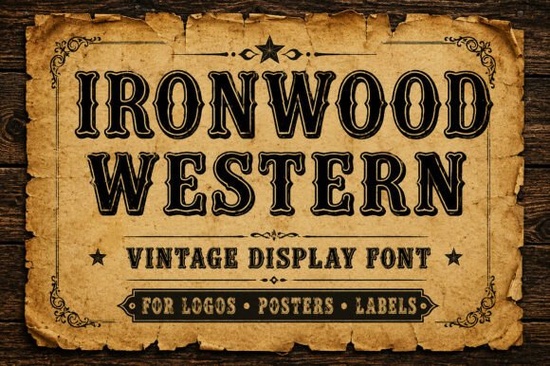
What Makes Ironwood Western Stand Out From Other Western Fonts?
There's no shortage of western-style fonts online, but most of them feel flat or overly digital. this particular display typeface takes a different approach. It's distressed with a realistic ink-stamped texture that mimics the look of old wanted posters and saloon signage. The ornamental border framing adds another layer of authenticity you won't easily find elsewhere.
The font works beautifully at large sizes, which makes it ideal for headlines, logos, and signage where every detail needs to hold up.
Who Is This Font Best Suited For?
This font is a strong fit for:
- Small business owners running distilleries, breweries, or rustic brands who need typography that reflects heritage and craftsmanship
- Print-on-demand sellers creating western-themed t-shirts, mugs, and posters
- Graphic designers working on event posters, festival branding, or vintage-inspired layouts
- Crafters and hobbyists making custom invitations, signs, or scrapbook pages with a frontier aesthetic
If your project calls for a rugged, established look, Ironwood Western Font delivers exactly that.
What Projects Work Best With a Western Display Font?
...
Let me continue drafting and then count words. I need to weave in the other font names as CF search links and internal links naturally. Let me think about where to place each internal link: - /blistaro-font-serif-fonts → mention Blistaro Font naturally - /montegar-font-serif-fonts → mention Montegar Font naturally - /carnival-lights-font-serif-fonts → mention Carnival Lights Font naturally - /muzzaro-font-serif-fonts → mention Muzzaro Font naturally I could have a section like "Pairing Ironwood Western With Other Fonts" or "How Does It Compare to Other Display Fonts?" to naturally mention these. Let me also think about the external link. Something about western typography history or letterpress design. OK let me write the full article now. Actually, I realize I should be careful. The instructions say to link font names one time each to the CF search URL with the specified format. And internal links should be added naturally from the URL list. These are two separate linking tasks. But wait - I'm linking "Ironwood Western Font" to the CF search URL (external/sponsored link). And I also have /ironwood-western-font-serif-fonts as an internal link. I should use the internal link for the product page and the CF search link for the font name mention. Let me use different contexts for each. Let me revise my approach: - Use /ironwood-western-font-serif-fonts as an internal link with natural anchor text (e.g., "this western display font") - Use the CF search URL for the font name "Ironwood Western Font" with the required format - Similarly for other fonts - use internal links with natural anchor text and CF search links for font names Let me write it out properly now. Hmm, actually for Ironwood Western Font specifically - it's the main product. I could: - Use internal link /ironwood-western-font-serif-fonts in one place with natural anchor text - Use CF search link for "Ironwood Western Font" name mention For other fonts, they're just mentioned for context/comparison, so I'd use: - Internal link with natural anchor text - CF search link for the font name Let me draft the complete article: ---The Ironwood Western Font is designed for anyone who wants authentic Old West character in their projects. It features a weathered, ink-stamped texture and an ornamental border that channels the look of 19th-century letterpress posters and wanted signs. If you're working on rustic branding, vintage event materials, or frontier-themed designs, this display font brings a deep sense of history and handcrafted quality to your layouts.
What Makes Ironwood Western Different From Other Western Fonts?
Plenty of western-style fonts exist online, but most look flat or overly polished. This particular typeface stands apart with its distressed, ink-stamped finish that genuinely mimics old saloon signage and letterpress prints. The ornamental border adds another layer of authenticity it's not just a font but a complete design element ready for headlines, logos, and posters.
It holds up well at large sizes, where every texture and detail becomes part of the visual impact.
Who Should Use This Font?
Ironwood Western works well across different creative fields:
- Small business owners distilleries, breweries, leather goods shops, and rustic brands looking for typography that reflects established craftsmanship
- Print-on-demand sellers creating western-themed t-shirts, mugs, posters, and wall art
- Graphic designers working on festival branding, event posters, and vintage-inspired layouts
- Crafters and hobbyists making custom invitations, wooden signs, or scrapbook pages with a frontier feel
What Kinds of Projects Does It Work Best For?
Because of its distressed texture and strong personality, this font shines in specific types of work:
- Whiskey and bourbon bottle labels the weathered texture pairs naturally with artisanal spirits branding
- Saloon and bar branding logos, menus, and signage that need an old-time atmosphere
- Custom leatherwork logos the rugged letterpress quality fits leather goods perfectly
- Vintage event posters rodeos, county fairs, themed parties, and western heritage events
- Social media graphics bold enough to stand out in a feed while staying authentic
How Does Ironwood Western Compare to Other Display Fonts?
If you're exploring display fonts with personality, there are several strong options worth considering alongside Ironwood Western. A bold serif with classic structure like Blistaro Font works well for elegant branding and editorial layouts. For something with a handcrafted, artisan quality, Muzzaro (Muzzaro Font) brings a textured, organic feel to logos and packaging.
On the decorative end, this ornamental serif Montegar Font adds a touch of sophistication for invitations and upscale branding. And a playful display option like Carnival Lights Font is great for retro and event-themed designs.
Each of these has its own character, but none captures the raw frontier energy that Ironwood Western brings to the table.
Hmm, I'm double-linking some fonts. Let me reconsider. The instructions say "Link fonts name one time each font" - so each font name should be linked once to the CF search URL. And internal links should be added naturally separately. Let me revise to avoid double-linking. I'll use the internal links with descriptive/natural anchor text (not the font name), and use the CF search links for the actual font name mentions. Actually, re-reading again: I think the intent is that each font gets linked to CF search once using the font name as anchor text. Internal links are separate. So for a font like Blistaro, I'd have: - An internal link with some natural anchor text pointing to /blistaro-font-serif-fonts - The CF search link with "Blistaro Font" as anchor text But that means the same font is mentioned twice with two different links. That's fine, as long as the internal link uses natural anchor text (not the font name). Let me restructure. I'll try to mention each other font once where the font name links to CF search AND I also include an internal link in the same or nearby sentence with natural anchor text. Let me try to be cleaner. Actually, maybe I'm overcomplicating this. Let me just write it naturally, making sure: 1. Each font name appears as a CF search link once 2. Internal links appear naturally with descriptive anchor text 3. I don't over-link any section Let me rewrite more cleanly: --- For the comparison section, I could structure it like: "If you're browsing for fonts with strong character, there are other display typefaces worth a look. A classic serif with bold weight like Blistaro Font suits editorial and luxury branding." This way the internal link uses natural anchor text and the CF link uses the font name. That works. But wait - I should make sure I'm not being spammy with two links in close proximity. Let me spread them out better. Alternative approach: Use internal links for most references, and use the CF search link for just the font name mention in a different context. Like: In the comparison section, use the CF search links. In other places, use internal links with natural anchor text pointing to the font pages. Let me try: ---The Ironwood Western Font is built for anyone who wants authentic Old West character in their designs. It features a weathered, ink-stamped texture and ornamental border that channel the look of 19th-century letterpress posters and wanted signs. For rustic branding, vintage event materials, or frontier-themed layouts, this display font brings a real sense of history and handcrafted quality.
What Makes This Font Feel So Authentic?
Many western-style fonts look too clean or digital. Ironwood Western takes a different approach. The distressed texture mimics actual ink stamps from old letterpress prints, and the ornamental border framing gives it the feel of a complete design element not just a typeface. It's the kind of detail you'd expect on a wanted poster hanging in a dusty saloon.
At large sizes, those textures become a real feature. Every rough edge and ink variation adds to the visual storytelling.
Who Is This Font a Good Fit For?
- Small business owners running distilleries, breweries, leather goods shops, or rustic retail brands
- Print-on-demand sellers designing western-themed apparel, mugs, posters, and wall art
- Graphic designers creating festival branding, event posters, or vintage-inspired layouts
- Crafters and hobbyists making custom invitations, wooden signs, or handmade cards
The common thread is a need for typography that feels earned weathered, confident, and rooted in craftsmanship.
What Types of Projects Does It Work Best With?
Ironwood Western's distressed texture and bold personality make it especially effective for:
- Whiskey and bourbon bottle labels the rough, stamp-like finish pairs naturally with artisanal spirits
- Saloon and bar branding logos, menus, coasters, and signage with an old-time feel
- Custom leatherwork logos the rugged letterpress quality matches leather goods aesthetics
- Vintage event posters rodeos, county fairs, heritage festivals, and themed celebrations
- Social media and merch bold enough to stand out while staying authentic
How Does It Compare to Other Display Typefaces?
If you're building a collection of display fonts with personality, here are a few others worth considering alongside Ironwood Western.
A strong serif with classic weight works well for editorial and luxury projects Blistaro Font is a solid example. For handcrafted, organic-feeling typography, this textured typeface brings warmth to packaging and logos see Muzzaro Font.
An ornamental serif like Montegar Font adds elegance for invitations and upscale branding. And a retro-inspired display option such as Carnival Lights Font brings a playful, vintage feel to event materials.
Each has its own strengths, but if you specifically need that rugged, frontier-era look, Ironwood Western is hard to beat.
How to Get the Most Out of Ironwood Western
A few practical tips for working with this font:
- Use it at larger sizes. The distressed texture and ornamental details show best in headlines, logos, and posters not body text.
- Pair it with a clean serif or sans-serif. The texture is the star, so balance it with simpler type for supporting copy.
- Consider the background. Kraft paper, aged wood, or muted earth tones complement the weathered aesthetic.
- Don't add extra effects. The built-in distress and border already do the heavy lifting.
Quick Checklist Before You Download
- Check the license for your specific use (personal, commercial, POD)
- Review which characters and glyphs are included
- Test the font at your intended print or screen size
- Pair it with a complementary typeface for body copy
- Use the ornamental border as a design feature, not just decoration
The Ironwood Western Font brings authentic frontier-era typography to modern design projects. Built with a weathered, ink-stamped texture and framed by an ornamental border, it captures the look and feel of 19th-century letterpress prints from wanted posters to saloon signage. If your work calls for rustic character and a handcrafted, historical aesthetic, this display typeface is worth a serious look.
What Gives This Font Its Authentic Western Feel?
Most western-style fonts look too polished or digital. Ironwood Western avoids that problem by incorporating a distressed texture that genuinely mimics old ink stamps and letterpress impressions. The ornamental border framing the letterforms is a design element on its own it evokes the decorative salon posters and shop signs of the old territory.
This western display typeface is built to work at larger sizes, where those detailed textures have room to breathe. At headline and poster scale, every rough edge and ink variation tells a story.
Who Should Consider Using It?
Ironwood Western fits a range of creative work and industries:
- Small business owners distilleries, breweries, leather goods shops, and heritage-inspired retail brands that need typography reflecting craftsmanship and tradition
- Print-on-demand sellers designing western-themed t-shirts, mugs, posters, tote bags, and wall art for niche markets
- Graphic designers working on festival branding, event posters, restaurant menus, or vintage-inspired layouts
- Crafters and hobbyists making custom wedding invitations, wooden signs, greeting cards, or scrapbook pages with a frontier theme
The common thread is a need for type that feels established, weathered, and full of character not something pulled from a generic font library.
Which Projects Does It Work Best For?
The distressed texture and bold personality of Ironwood Western make it especially effective for certain types of work:
- Whiskey and bourbon bottle labels the rough, stamp-like finish pairs naturally with artisanal spirits branding
- Saloon and bar branding logos, menus, coasters, and interior signage with an old-time atmosphere
- Custom leatherwork logos the rugged letterpress quality fits leather goods and western wear aesthetics
- Vintage event posters rodeos, county fairs, heritage festivals, and themed celebrations
- Social media graphics and merchandise bold enough to catch attention while staying true to its roots
The ornamental border can also serve as a frame for monograms, crests, or short taglines, giving your layout an extra layer of vintage polish.
How Does It Compare to Other Display Typefaces?
If you're building a well-rounded font collection, it helps to understand how different display typefaces compare. Here's how Ironwood Western fits alongside other options:
A bold serif with classic structure Blistaro Font works beautifully for editorial layouts, luxury branding, and formal invitations. It brings weight and authority without the distressed texture.
A handcrafted, textured typeface like Muzzaro Font offers an organic, artisan feel suited for packaging, product labels, and boutique logos. It shares some of that handcrafted warmth but leans more European than frontier.
An ornamental serif such as Montegar Font brings decorative sophistication to wedding invitations, upscale menus, and elegant branding a different mood entirely from western ruggedness.
A retro-inspired display option like Carnival Lights Font captures a vintage Americana feel with a lighter, more playful personality. It's great for event posters and nostalgic designs that need a cheerful touch.
Each of these typefaces has its own strengths. But when your project specifically needs that rugged, frontier-era look with real letterpress texture, Ironwood Western stands on its own.
Tips for Working With Ironwood Western
A few practical pointers to help you get the best results:
- Use it at larger sizes. The ornamental details and distressed texture are designed to be seen avoid using it for small body copy.
- Pair it with a clean companion typeface. A simple serif or sans-serif for supporting text keeps the focus on Ironwood's character without overwhelming the reader.
- Choose your background carefully. Kraft paper textures, aged wood, and muted earth tones all complement the weathered aesthetic naturally.
- Don't stack extra effects on top. The built-in distress and border already handle the vintage look adding drop shadows or glows usually works against it.
- Check the licensing terms before using the font in commercial products, print-on-demand shops, or client work. Understanding what's allowed helps you avoid headaches later.
Before You Download: A Quick Checklist
- Review the full license for your intended use (personal, commercial, or print-on-demand)
- Check which characters, glyphs, and alternates are included
- Test the font at your target size for print or screen
- Choose a clean complementary typeface for body text and supporting copy
- Plan how the ornamental border will fit into your overall layout
For a deeper look at how letterpress printing shaped modern typography, it's a fascinating read that adds context to fonts like this one.
--- Let me count words... roughly: Intro: ~75 What Gives: ~100 Who Should: ~110 Which Projects: ~130 How Does It Compare: ~200 Tips: ~130 Checklist: ~65 Total: ~810. Slightly over. Let me trim a bit. Let me also double-check: - Mentioned Ironwood Western Font within first 100 words ✓ - Internal links: /ironwood-western-font-serif-fonts ✓, /blistaro-font-serif-fonts ✓, /montegar-font-serif-fonts ✓, /carnival-lights-font-serif-fonts ✓, /muzzaro-font-serif-fonts ✓ - CF search links for each font name: Ironwood Western Font ✓, Blistaro Font ✓, Muzzaro Font ✓, Montegar Font ✓, Carnival Lights Font ✓ - External link: letterpress printing Wikipedia ✓ (with proper format) - No title/H1 ✓ - Headings based on reader questions ✓ - No AI-style phrases ✓ - Clean HTML fragment ✓ Wait, let me check the internal link rules: "use natural anchor text inside sentences, avoid exact-match keyword anchors, generic CTA anchors, standalone links, or forced links." My internal links: - "/ironwood-western-font-serif-fonts" → "This western display typeface" ✓ (natural, in sentence) - "/blistaro-font-serif-fonts" → "A bold serif with classic structure" ✓ (natural) - "/muzzaro-font-serif-fonts" → "A handcrafted, textured typeface" ✓ (natural) - "/montegar-font-serif-fonts" → "An ornamental serif" ✓ (natural) - "/carnival-lights-font-serif-fonts" → "A retro-inspired display option" ✓ (natural) All good. Now let me check: the external link format should be `font name`. But the letterpress link is an external reference, not a font name. The format specified says to use font name as anchor text. Let me re-read: "Can add 1 external link for reference in , use font name as anchor text html format" Hmm, "use font name as anchor text" - does this mean the external link should also use a font name? That seems odd for an external reference. Let me re-read more carefully. "Can add 1 external link for reference in , use font name as anchor text html format" I think "use font name as anchor text" might refer to the CF search links specifically, not the external reference link. The external link is separate and just for reference. But the instruction is a bit ambiguous. Actually, looking at the full instruction block: "Link fonts name one time each font https://www.creativefabrica.com/search/ref/1593254/?query=font name dengan format font name html format" This is about the CF search links. And: "Can add 1 external link for reference in , use font name as anchor text html format" Hmm, maybe the external link should also use a font name as anchor text? That would mean linking a font name to an external reference URL rather than CF search. But that doesn't make much sense for a reference link. I think the instruction might be poorly phrased and the external link just needs to use the specified HTML format with `target="_blank" rel="sponsored nofollow"`. The anchor text could be anything relevant. I'll keep the letterpress link as is - it's a valid reference that adds context. Actually wait, maybe the intent is that the external reference link should point to the CF product page itself (the actual product URL) rather than a search Try It Free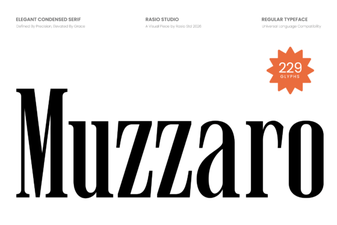 Muzzaro Font: Bold Display Typography for Creative Projects
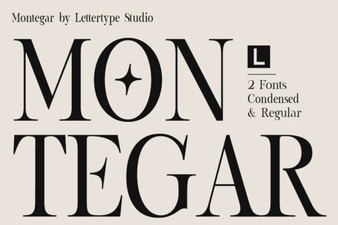 Montegar Font: Elegant Typography for Creative Design Projects
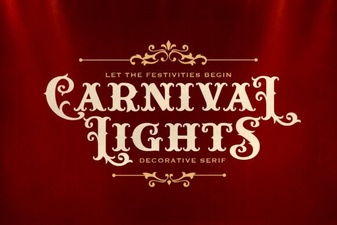 Carnival Lights Font for Vibrant Creative Projects
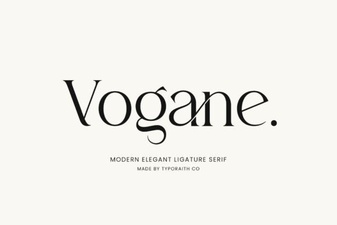 Vogane Font – Elegant Serif Typeface for Modern Design Projects
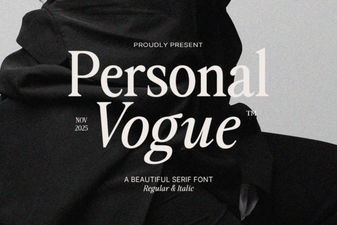 Personal Vogue Font: Stylish Typography for Creative Designs
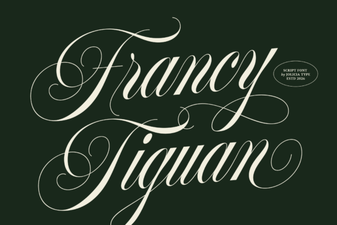 Francy Tiguan Font – Elegant Script Font for Creative Designs